Designing the Perfect Personalized Fresh Boxes: A Step-by-Step Guide
Designing specialized fruit and vegetable boxes calls for a deliberate approach. Professionals must consider environmental impact, practicality, and aesthetics. Selecting the right materials is vital for maintaining quality and supporting eco-friendly practices. Moreover, dimensions and shape can significantly affect ease of use and shipping efficiency. Impactful visual elements enhance company recognition, while thorough testing ensures strength. Understanding these elements will reveal vital insights into producing remarkable packaging strategies that appeal to customers. What follows is fundamental to reaching those objectives.
Picking the Ideal Materials for Custom Produce Boxes
When selecting materials for custom produce boxes, it is essential to assess both functionality and sustainability. The choice of material greatly impacts comprehensive guide the box's durability, weight, and capacity to protect the contents. Common materials include corrugated cardboard, which offers strength and is reusable, making it a popular choice for eco-conscious businesses. Biodegradable options, such as molded pulp or plant-based plastics, also comply with environmentally friendly practices while providing adequate protection for delicate produce.
In addition, liquid resistance is indispensable for maintaining freshness, prompting some producers to explore conditioned compounds or tailored protective barriers. The visual quality of the box requires attention, as brand identity and visual communication can sway market perception. Ultimately, the optimal choice should strike a balance between protecting the produce, drawing in buyers, and adhering to environmental standards, ensuring both functionality and sustainability are prioritized in the design process.
How to Select Size and Shape for Performance?
When determining the size and shape of custom produce boxes, careful assessment of produce dimensions is essential for proper storage. Additionally, considerations for handling and transport can affect the box structure, ensuring ease of movement. Optimizing storage space utilization further enhances functionality, enabling effective presentation and organization.
Review Produce Dimensions Carefully
Picking the optimal size and shape for fruit containers is required for operational success. Meticulous examination of item dimensions is paramount, as it confirms that items fit snugly without excess room that might lead to harm during shipment and storage. Custom-designed containers need to support various shapes, from fragile fruits to substantial vegetables, while upholding structural integrity. Moreover, the height and width of the boxes should facilitate stacking and organization, utilizing space in storage locations. A well-engineered container not only protects the produce but also enhances attractiveness for consumers. In conclusion, careful consideration of dimensions supports reducing waste and boosting overall user experience in the supply chain.
Review Handling and Transport Procedures
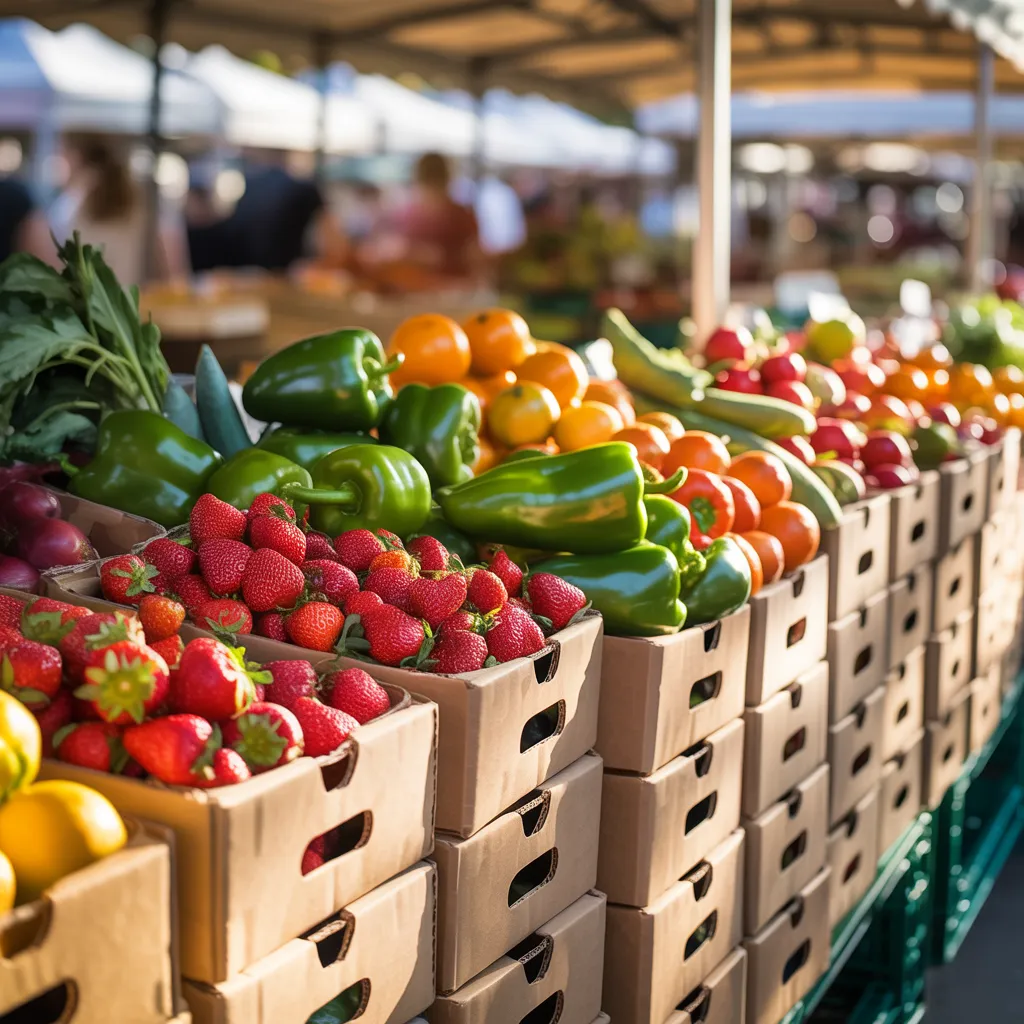
Handling and delivery considerations play a major role in determining the appropriate size and shape of bespoke produce boxes. The measurements need to contain the produce with no unneeded area, that could cause movement and damage during transit. Small boxes facilitate simpler handling, while larger boxes may be necessary to handle larger items. Also, thoughtful design is important; handles or openings should be strategically situated in order to allow for comfortable lifting plus transport. The shape relating to the container also determines arrangement with steadiness, ensuring that goods stay secure. Ultimately, careful consideration regarding these factors strengthens the productivity in transport, decreases product loss, and maintains the complete soundness concerning the fresh goods from field to consumer.
Improve Retail Space Optimization
Efficient shelving efficiency relies upon choosing the appropriate dimensions and form of custom produce boxes. Product planners should take into account the dimensions of the shelving units as well as the varieties of fruits and vegetables being stored. Square-sided boxes often optimize space efficiency, enabling for simpler stacking and alignment. On the other hand, unique shapes can enhance aesthetic attractiveness but may result in unused areas if not carefully planned.
It's critical to scrutinize the merchandise movement rate; products with slower velocity might benefit from compact, readily accessible boxes. Furthermore, incorporating modular or adjustable designs can enable multiple produce sizes while refining shelf layout. By centering on aesthetic and functional qualities, businesses can establish a practical and aesthetically pleasing presentation that enhances both ease of access and promotional impact.
How to Craft Graphics That Hold Attention?
Compelling artwork can transform a simple custom produce box into a beautiful showcase that draws notice. To achieve this, designers should start by selecting a color palette that reflects the freshness and vibrancy of the produce. Luminous, eye-catching colors can evoke feelings of freshness and wellbeing, motivating consumers to take a closer look.
Bold typefaces proves equally vital; clear and legible fonts can effectively communicate essential information while strengthening visual appeal. Moreover, using excellent photographs of the merchandise can build instant rapport, presenting the item's superiority and motivating prospective clients.
Furthermore, introducing distinctive visual elements and patterns can help differentiate the brand in a crowded market. Consistency in graphic components, such as logos and taglines, solidifies brand identity. Ultimately, a blend of inventiveness and precision in graphic design can greatly lift the power of custom produce boxes, making them gain attention on shelves.
Environmentally Responsible Practices for Custom Produce Box Packaging
A growing number of enterprises are adopting eco-friendly practices for custom produce box packaging, understanding its importance in today's environmentally conscious market. These initiatives often include the use of biodegradable materials, such as recycled paper and plant-based plastics, which decrease environmental impact. Companies are also working on ethical sourcing, making certain that materials are obtained from responsibly managed forests or suppliers who prioritize environmental stewardship.
Also, many brands are selecting minimalist designs that reduce waste while still effectively displaying their products. This strategy not only attracts eco-minded consumers but also helps in decreasing production costs. Moreover, businesses are progressively establishing efficient manufacturing processes that restrict energy consumption and waste generation. By integrating these sustainable practices, companies not only improve their brand image but also contribute positively to the planet, aligning their operations with a sustainable future.
Validate Your Custom Produce Box Design
Evaluating the design of custom produce boxes is a important stage in verifying they meet both aesthetic and operational requirements. This process generally entails examining aspects like resilience, scale, and ease of use. First, prototypes should be built to evaluate the box's build quality, ensuring it can withstand transportation and storage without harming the items.
Next, user experience evaluations can be performed to assess how easily the boxes can be opened, sealed, and stacked. Input from potential users can be priceless in this phase, offering perspectives into the box's functionality.
In addition, the design's visual appeal should be tested through survey groups or focus panel discussions, gauging consumer reactions to branding features, colors, and overall presentation.
Ultimately, thorough evaluation enables designers to refine the box, ensuring it not only appeals to customers but also properly safeguards and showcases the produce within, striking the right balance between form and function.
Efficiently Market Your Custom Produce Boxes
Impactful promotion of custom produce boxes requires a well-planned strategy that emphasizes their distinctive advantages and value. Businesses must focus on pinpointing their intended customers, such as local farms, grocery stores, or individual consumers. Utilizing social media platforms can amplify market visibility, showcasing the boxes' design and practicality through engaging visuals and storytelling.
Additionally, teaming up with neighborhood advocates and farming professionals can enhance credibility and enlarge reach. Delivering incentives or cost savings during peak demand times can win over initial customers and support repeat business.
Additionally, emphasizing sustainability and eco-friendliness in marketing materials can resonate with environmentally conscious consumers. Offering comprehensive details about material composition and the benefits of tailored packaging solutions can better distinguish the offering in a competitive market.
Ultimately, a comprehensive advertising plan that combines digital and local efforts will effectively publicize custom produce boxes, attracting a diverse clientele and generating sales.
Often Asked Queries
What Expenses are Involved in Custom Produce Box Customization?
Expenses involved in custom produce box design include materials, printing, labor, and shipping. Furthermore, design services and minimum order quantities can influence total expenses, resulting in fluctuating prices based on particular specifications and scale of production.
What Duration Is Needed to Manufacture Custom Boxes?
Creating bespoke boxes normally takes two to six weeks during the production phase. Various factors that affect this timeframe are design intricacy, sourcing of materials, and manufacturing capability, each of which may influence shipping schedules and turnaround times.
Can I Order a Small Amount of Personalized Produce Boxes?
Yes, limited amounts of custom produce boxes can generally be placed. Many suppliers offer baseline order amounts, enabling businesses or individuals to procure personalized packaging options without needing to commit to large amounts from the beginning.
What Common Mistakes Should You Avoid When Designing Custom Packaging?
Common mistakes in custom box creation include neglecting functionality, ignoring brand consistency, underestimating material quality, not considering target audience preferences, and disregarding environmental impact. Each aspect is essential for effective packaging and customer satisfaction.
How Do I Guarantee That My Boxes Comply with Food Safety?
To verify boxes are food-safe, one needs to opt for substances certified for food contact, avoid harmful inks and adhesives, maintain cleanliness during production, and periodically assess for compliance with health regulations and safety standards.